
Having a tooth extracted—whether it’s a wisdom tooth or another tooth causing trouble—is a significant event for your oral health. At Patriot Family Dental, we know that the thought of recovery can sometimes be more stressful than the procedure itself. We are here to tell you that with the right care, your healing process can be smooth, comfortable, and quick.
Now that your surgery is complete, the most important work begins at home. Your body has an incredible ability to heal itself, but it needs your help to do it efficiently. We have created this comprehensive guide to walk you through exactly what to do (and what not to do) in the days following your extraction.
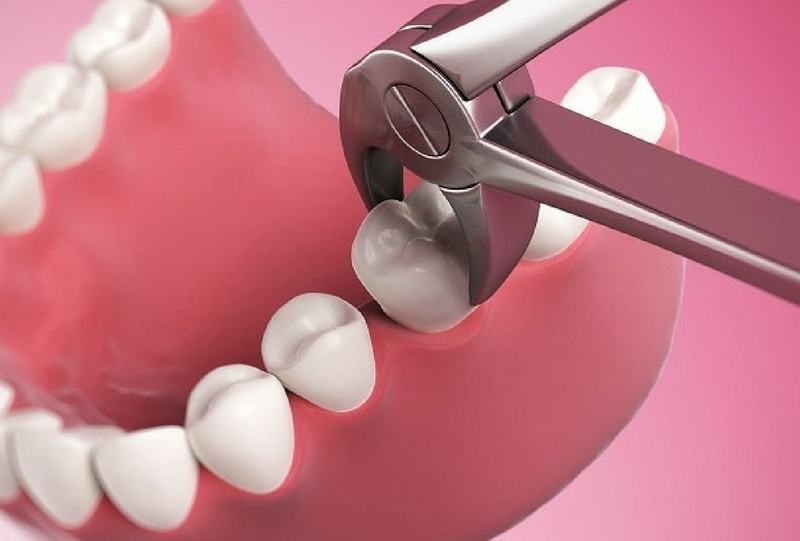
The First 24-48 Hours: Setting the Stage for Healing
The first two days after your procedure are the most critical. During this time, your main goals are simple: control bleeding, manage swelling, and protect the blood clot that forms in the empty socket. This blood clot is nature’s way of covering the exposed bone and nerves underneath, acting as a biological bandage.
Immediate Care for the Surgical Site
Once you leave our office, you will likely still have gauze in your mouth. Here is how to handle the surgical site:
- Bite Down Firmly: Keep biting on the gauze we gave you for at least 30 minutes. The pressure helps stop the bleeding and encourages the clot to form.
- Managing Bleeding: If bleeding persists after 30 minutes, replace the gauze with a fresh piece and continue applying steady pressure. Consistency is key—it is better to hold pressure for a longer period than to keep checking and changing the gauze every few minutes.
- What to Expect: Slight bleeding or a pinkish ooze is normal for the first day or two. To keep your bed linens clean, we recommend placing an old towel over your pillow or using an old pillowcase when you sleep.
Reducing Swelling
Swelling is a normal reaction to surgery. It typically peaks within 48 to 72 hours and then slowly goes down.
- Ice It: On the day of your surgery, use ice packs on the side of your face near the extraction site. A good routine is 20 minutes on, followed by 20 minutes off. This not only reduces swelling but can also numb the area to help with discomfort.
Vital Restrictions: What to Avoid
To prevent complications like “dry socket”—a painful condition where the blood clot is dislodged—there are strict rules you need to follow for the first few days.
- No Smoking: DO NOT smoke or use smokeless tobacco for at least 48 hours. Tobacco chemicals delay healing, and the sucking motion of smoking can pull the clot right out of the socket.
- No Alcohol: DO NOT consume alcohol for at least 48 hours. Alcohol thins your blood, which can restart bleeding, and it interferes with pain medications.
- No Suction: Avoid spitting, vigorous rinsing, swishing, or sucking through a straw for at least 24 hours. These actions create vacuum pressure in your mouth that endangers the blood clot.
Rest and Activity
You might feel like bouncing back quickly, but your body needs energy to repair tissue.
- Go Home and Rest: After your surgery, go directly home. Avoid taking stairs by yourself if you feel unsteady.
- Take it Easy: Do not engage in sports, aerobics, or heavy lifting for at least three days. Raising your heart rate pumps more blood to the surgical site, which can cause throbbing pain and renewed bleeding.
Managing Medications Responsibly
We may have prescribed medications to help prevent infection and manage pain. It is crucial to use them correctly.
- Antibiotics: If we prescribed antibiotics, take them exactly as directed until they are gone. Do not stop early just because you feel better; completing the course prevents infection from returning.
- Pain Relief: Take pain medications as directed. If you are taking prescribed narcotic pain relievers, DO NOT drive or operate machinery. These drugs can make you drowsy and slow your reaction time.
- Rinsing: If you were given a prescription mouth rinse, wait 24 hours after surgery to start using it. Rinse gently to keep the site clean without disturbing the clot.
Eating for a Speedy Recovery
Your jaw will likely be sore, and you need to be gentle with your mouth. Stick to a soft diet for the first 24 to 48 hours.
Recommended Soft Foods:
- Mashed potatoes
- Pasta
- Scrambled eggs
- Yogurt and pudding
- Lukewarm soup
- Milkshakes and seedless smoothies (remember: NO STRAWS!)
Foods to Avoid for One Week:
- Crunchy/Sharp Foods: Chips, popcorn, nuts, and crackers can poke the surgical site.
- Small Foods: Fruits with small seeds (like strawberries) can get trapped in the socket.
- Acidic Foods: Oranges, tomatoes, and spicy sauces can sting the wound.
- Carbonated Drinks: Bubbles can irritate the healing tissue.
Hydration is important, so drink plenty of water and fluids, but always use a cup, not a straw.
When to Call Patriot Family Dental
While some discomfort is expected, we want to make sure you stay safe. Please call our office immediately if you experience:
- A temperature greater than 101.5°F.
- Severe pain that gets worse or isn’t helped by your medication.
- Heavy bleeding or swelling that exceeds what we told you to expect.
Your comfort and health are our top priorities at Patriot Family Dental. By following these instructions, you are setting yourself up for the best possible recovery. If you have any questions or concerns, please don’t hesitate to reach out. We are here to support you every step of the way!